
Artisans
The Journey of a Piece of Cloth: From Cotton to Hat
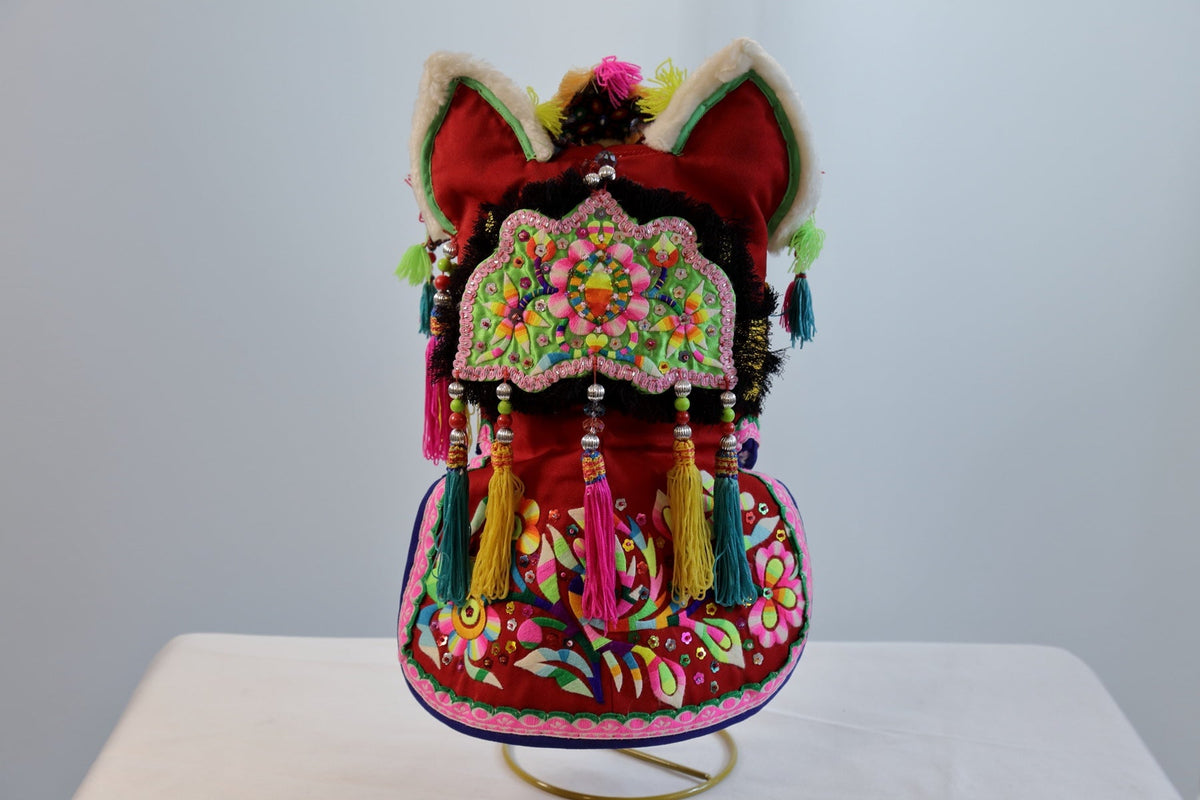
Before a Cub & Thread tiger hat becomes a hat, it is first a piece of cloth. And before that cloth becomes cloth, it is first a cotton flower.
Cotton grows in fields. It is picked, seeded, combed, spun, and woven until it becomes fabric. This process may span thousands of miles and pass through many hands. By the time the cloth finally reaches the artisan's worktable, it has already traveled a long journey. And the first thing the artisan does is judge whether it is worthy of a child.
Material selection is the foundation of quality. At Cub & Thread, we use only natural materials that stand the test of time. Organic cotton is the most commonly used, because it is soft, skin-friendly, breathable, and moisture-wicking — gentle against a child's delicate skin. But not all organic cotton is suitable for tiger hats. The artisan must feel the fabric's thickness, density, and resilience with her hands. Too thin, and it cannot hold the hat's shape. Too thick, and it is not soft enough. Only the right cloth can both hold the contours of a tiger's face and rest gently against a child's forehead.
Once the cloth is chosen, the artisan bonds multiple layers of cotton with natural paste, presses them, and dries them to create a firm, structured base. This process is called "Da Ge Bei" — the core technique of traditional Chinese fabric craft. The consistency of the paste and the duration of drying must be precisely controlled. Too thin, and the cloth won't hold its shape. Too thick, and it will crack. Dry it too briefly, and the cloth stays soft. Dry it too long, and it becomes brittle. These judgments rely entirely on the artisan's years of accumulated experience.
When the cloth is dried, taken down, cut, and sewn, it is no longer just a piece of cloth. It begins to have a shape, a silhouette, the possibility of becoming a hat. But it still lacks the most important thing — the tiger's face. The tiger's brows, eyes, nose, and mouth are all rendered by hand embroidery. Every stitch pours soul into the fabric. When the final touch of white thread adds a catchlight to the pupil, the cloth has truly completed its journey. It is no longer cotton. No longer cloth. It is a tiger hat. A child's guardian.
How far does a piece of cloth travel to become a hat? The answer: from field to workshop, from cotton to silk thread, from the artisan's hands to a child's head. This journey cannot be shortened. It cannot be replicated. It can only be respected.
Every stitch is a breath of love.